
GATLING VS LOADRUNNER
The modern performance platform your whole team can own
Gatling extends enterprise load testing into modern engineering workflows. Code-native, cloud-ready, and built for teams that can't afford blind spots between releases.
No spam. Just the comparison, straight to your inbox.


An Established Enterprise Tool
vs a Continuous Performance Intelligence Platform
Centralized, specialist-run performance testing made sense before DevOps. Continuous, team-owned load testing is how modern engineering organizations ship with confidence.
LoadRunner
A proven enterprise standard. Your performance team's tool,
but rarely your developers'.
Gatling
The same engineering rigor, extended to every team and every release cycle.
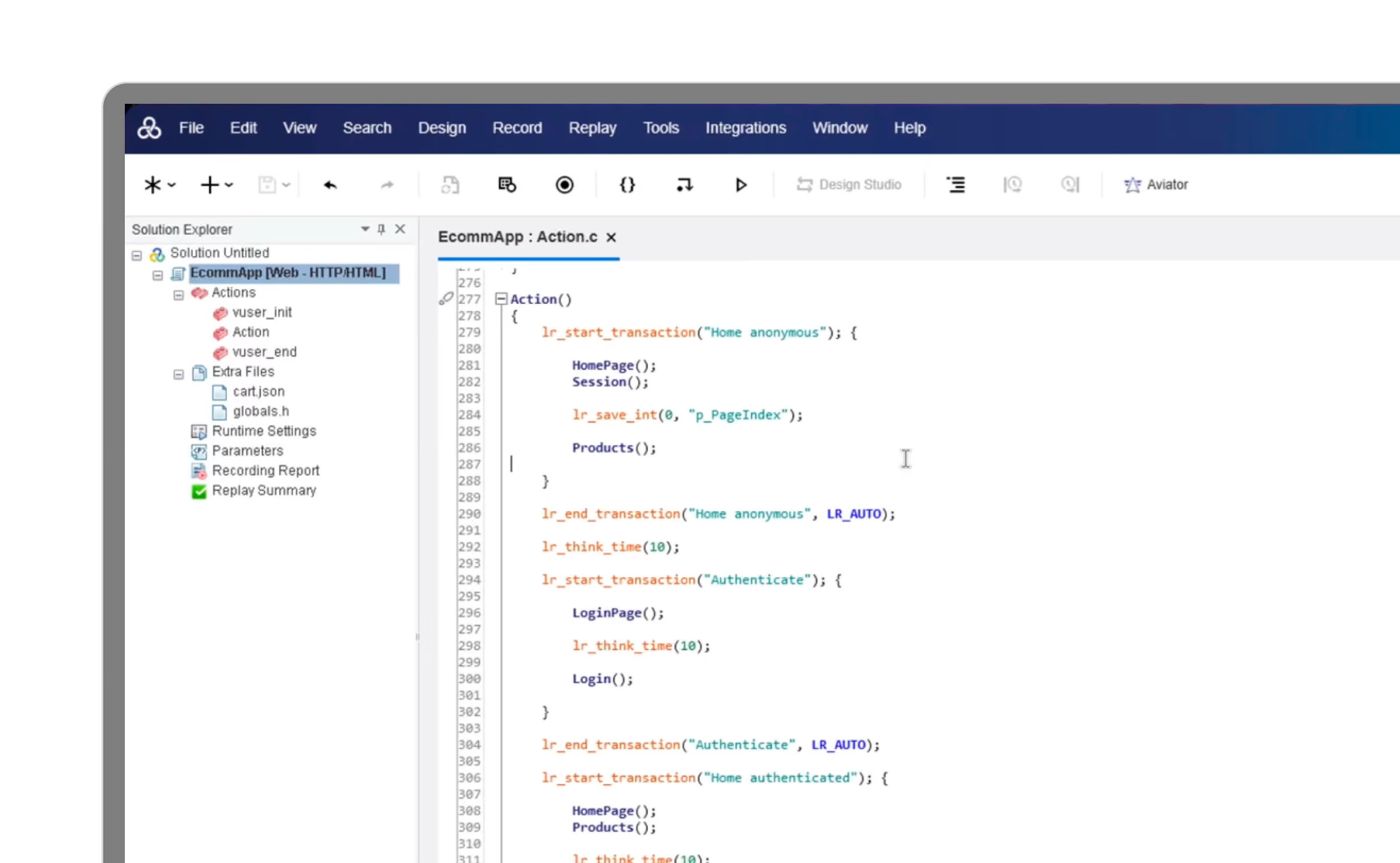


Proprietary scripting language with a steep, specialist-only learning curve

Heavy client architecture requiring significant infrastructure to operate at scale

Centralized team model — development teams depend on experts to run tests

Not designed for CI/CD — pipeline integration requires significant manual setup

Code-first: Java, JavaScript, TypeScript, Scala, Kotlin

Async engine: millions of Virtual Users on a single machine

Every modern protocol built in — HTTP/2, gRPC, WebSockets, GraphQL, and more

Native CI/CD integration: GitHub Actions, GitLab, Jenkins, and more
FEATURE HIGHLIGHT
Reduce risk with Gatling.
Welcome to Continuous Performance Intelligence.
Gatling isn't a replacement for your performance discipline. It's the platform that lets you apply it continuously, across every team, without losing the depth you've built.
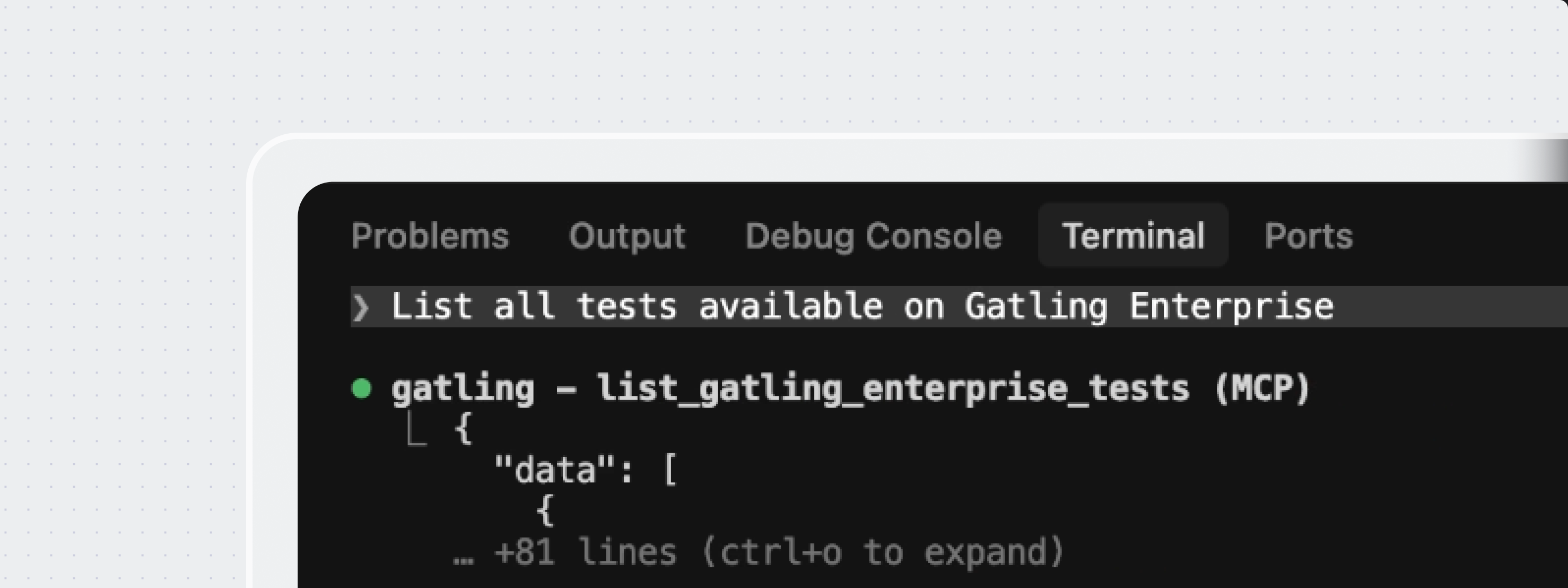
AI capabilities
Automated run summaries, IDE-native MCP server integration, and a LoadRunner migration skill — built to meet engineers where they already work, without dismantling the coverage you've built in VuGen.
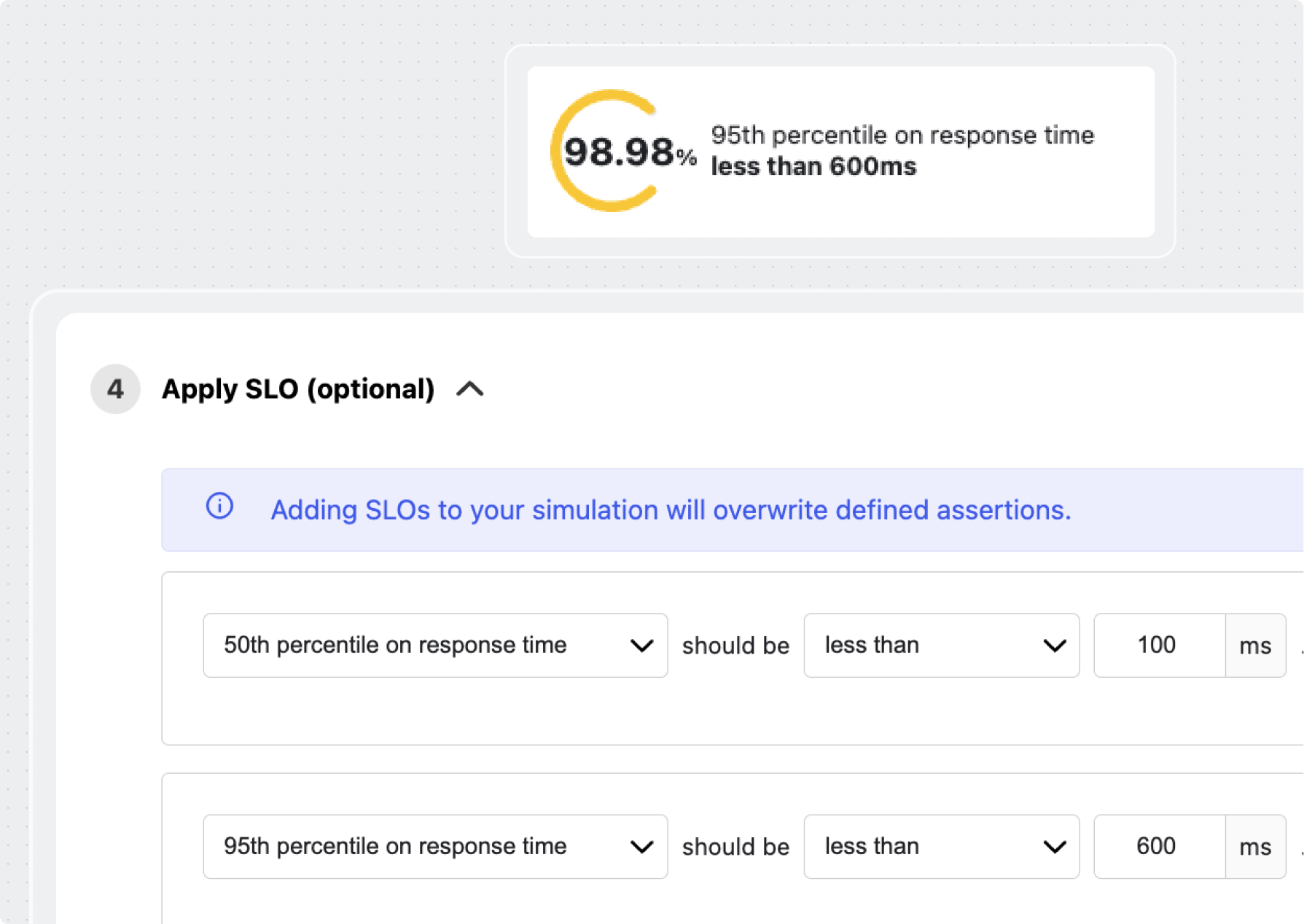
SLOs and compliance scoring
Define your response time and error rate targets once. Every run returns a compliance score — a precise percentage your engineering leadership can track across every release. No specialist needed to interpret the output.

Test as code
Your existing LoadRunner coverage encodes years of domain knowledge. Gatling brings that knowledge into your repository — versioned, reviewable, and executable by any team on any CI run — without losing what you've built.
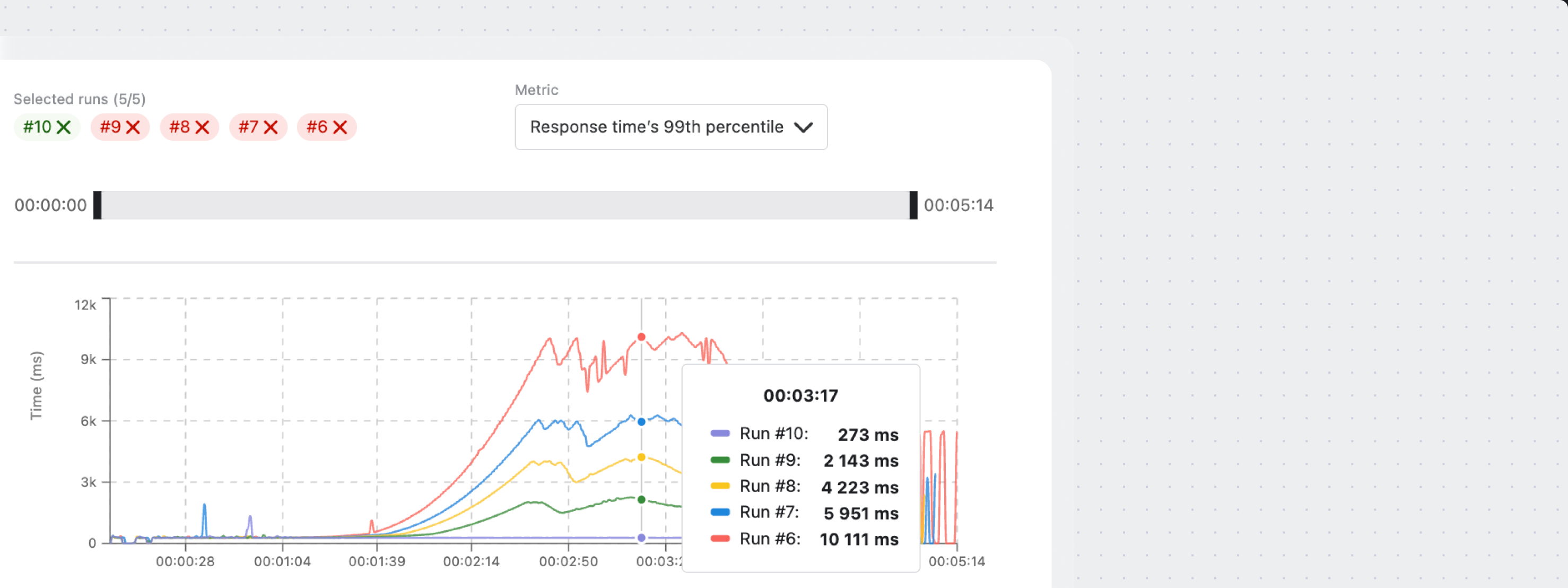
Performance trends across every release
Gatling gives you a continuous performance record across every release. Regressions surface before production, not after. Leadership gets visibility without a specialist standing between the data and the decision.

Gatling vs LoadRunner
Feature-by-feature comparison
Gatling
LoadRunner
Edge
Architecture model
and performance
Concurrency model
Resource efficiency
Modern protocol support
Legacy protocol support
Developer experience
Test scripting
IDE support
Learning curve
GitOps
Team autonomy
CI/CD pipeline
Pipeline integration
Assertions & thresholds
Enterprise
& team
Distributed load
Maintenance overhead
Test Architecture
& Deployment
Load-test-as-a-service (SaaS)
Hybrid SaaS
Self-managed
load generators
MODERN PRactices
Shift-left testing
DevOps
Maintainability
AI readiness
Load Test LLMs and AI Apps
AI pair programming
MCP Server
AI Analysis & Insights
Continuous Performance Intelligence
AI-powered Docs
Migration Assistant
Test Campaign Assistant
Products & licensing
Organization
Open source
Guarantees
Total cost of ownership
Why engineering teams
switch to Gatling
Ready to
make the switch?
See how your existing LoadRunner scripts map to Gatling — and what you gain on the other side.
Your all-in-one load testing platform
Design complex tests, manage global infrastructure, and turn results into action on one powerful platform.
Need technical references and tutorials?
Minimal features, for local use only
